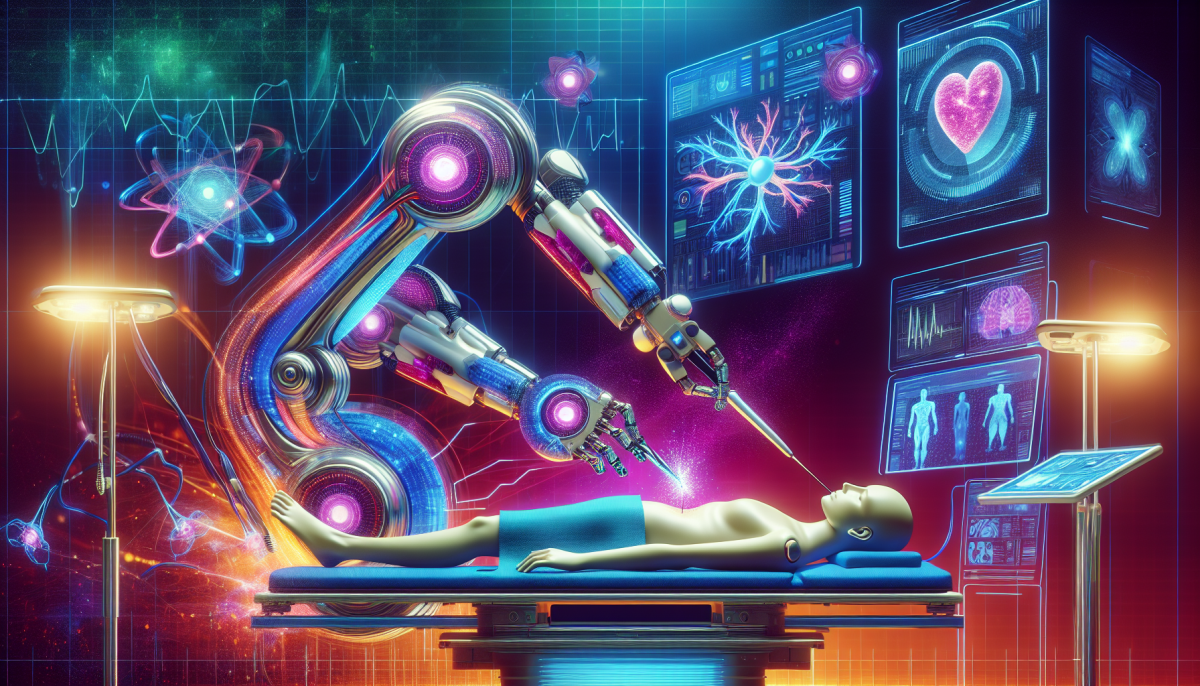
AI is changing the game in healthcare, making patient care smarter and more efficient. Imagine a world where doctors can make quicker decisions backed by data. That’s happening right now, thanks to AI. It analyzes patient records and helps identify potential health issues before they become serious problems.
One of the coolest things about AI is how it personalizes treatment. It looks at a patient's unique history, genetics, and lifestyle. This way, doctors can tailor treatments specifically for each person, leading to better outcomes. It's no longer a one-size-fits-all approach; every patient gets the care they truly need.
And let’s not forget about the convenience factor. AI-powered tools like chatbots allow patients to get answers to their questions any time of day. Whether it’s booking an appointment or understanding medication, these tools make a huge difference in the patient experience. It takes away some of the stress and waits in healthcare.
AI also plays a key role in predictive care. It spots patterns in health issues across different demographics, helping healthcare providers anticipate outbreaks or the need for resources in specific areas. Being prepared means better care when it’s needed most, and that’s a huge win for everyone involved.
Streamlining Operations for Healthcare Providers
Healthcare providers are always looking for ways to boost efficiency and improve patient care. AI innovations are stepping up big time in this area. From managing patient records to scheduling appointments, AI can take on a lot of the grunt work, leaving healthcare professionals to focus on what they do best—caring for patients.
One of the standout features of AI is its ability to process and analyze huge amounts of data quickly. Imagine having a system that can sift through patient histories and suggest the best treatment options in no time. This not only speeds up decision-making but also enhances the quality of care. Providers can make more informed choices, tailoring treatments to each patient's unique needs.
AI chatbots are another game-changer. They handle routine inquiries, book appointments, and even send reminders. This reduces the load on administrative staff and helps keep things organized. Patients appreciate the convenience, and healthcare teams can breathe a little easier knowing their schedules are managed efficiently.
AI can also help with predicting patient outcomes. By analyzing patterns and trends, it can identify patients at risk for certain conditions. This proactive approach allows healthcare providers to intervene early, improving health outcomes and potentially saving lives. It's all about being smarter, not just busier.
The benefits of integrating AI into healthcare operations are clear. With less time spent on administrative tasks and more focus on personalized care, providers can create a better experience for everyone—patients and staff alike. AI isn't just changing the game; it's rewriting the rulebook.
Enhancing Diagnostics Through AI Technology
AI technology is changing the way we approach diagnostics in healthcare. Imagine a world where doctors have access to tools that help them identify illnesses more accurately and faster than ever before. That’s exactly what AI brings to the table! With advanced algorithms, AI can analyze medical images, lab results, and patient histories in a fraction of the time it takes a human.
One exciting application is in radiology. AI systems can scan X-rays, MRIs, and CT scans and highlight abnormalities that might be missed by the human eye. This means less room for error and quicker results for patients. It's like having a second pair of expert eyes, ready to catch anything the first might overlook.
Then there’s the power of predictive analytics. AI can sift through tons of patient data to spot patterns and trends. This isn’t just about reacting to illnesses; it’s about preventing them. By predicting potential health issues based on individual risk factors, healthcare providers can take proactive measures. Think about it—getting ahead of diseases before they even have a chance to develop is a game-changer.
AI also enhances personalized medicine. It allows doctors to tailor treatments based on a patient's unique genetic makeup. With insights from AI, personalized treatment plans become a reality. This approach not only improves outcomes but also helps in choosing the right medication with fewer side effects.
Empowering Patients with AI Tools
AI tools are really changing the game for patients. They’re not just for healthcare providers anymore; they help you take control of your own health. Imagine having a smart app that reminds you to take your meds or tracks your symptoms so you can share them with your doctor. That’s the kind of support AI offers.
Take chatbots, for example. These helpful little programs can answer your health questions, schedule appointments, or even check on the status of a prescription. You don’t have to sit on hold for ages to get the info you need. Just type your question, and you’ll get answers fast. It’s like having a mini medical assistant right in your pocket.
Then there are personalized health recommendations powered by AI. These tools look at your health data and suggest lifestyle changes or preventive measures. So if you've been feeling off, an AI tool can help pinpoint what might be going on and offer suggestions that fit your unique situation. It’s about making healthcare work for you, not the other way around.
AI is also making telehealth more accessible. You can have virtual visits with doctors without leaving home. Some AI tools can even diagnose your condition based on your symptoms and direct you to the right specialist. This kind of convenience lets you focus on what matters most: your health.