In the early days, artificial intelligence felt like something out of a sci-fi movie. Picture the 1950s, when computers were still the size of rooms. Scientists and mathematicians like Alan Turing and John McCarthy were diving deep into what machines could do. They weren’t just tinkering with gadgets; they were dreaming big about creating machines that could think and learn.
One of the first major milestones was the Turing Test, proposed by Alan Turing in 1950. This test was simple yet powerful. It asked whether a human could tell if they were chatting with a machine or another person. If the machine could fool the human, it was considered intelligent. This idea pushed people to aim for smarter computers.
In 1956, the term “artificial intelligence” was officially born during the Dartmouth Conference. This gathering brought together some of the brightest minds of the time, all buzzing with ideas on how to teach machines to reason and solve problems. It was like a brainstorming session for a new era of technology. The excitement was palpable, and it set the stage for many future innovations.
Early AI systems focused on simple tasks, like playing games or solving math problems. These programs could do amazing things, like beat humans in chess, but they were still limited. They followed strict rules and couldn’t adapt to new situations. But the groundwork was laid for what was to come, and even though the road was bumpy, the journey was just beginning.
Key Milestones in AI Development
The journey of artificial intelligence has been nothing short of fascinating. It all kicked off in the mid-20th century when computer scientists like Alan Turing started laying the groundwork. Turing introduced the idea of a machine that could mimic human behavior, starting a conversation about what it means to think. This set the stage for everything that followed.
Fast forward to the 1950s and 60s, when the first AI programs began to emerge. These early attempts focused on problem-solving and simple games, like chess. Researchers were excited and hopeful, believing machines could soon outsmart humans. While this spark ignited tons of interest, it also led to the first "AI winters," periods of disappointment when progress slowed down.
In the late 1990s and early 2000s, advances in computing power changed the game. This is when AI really started to take off again. Breakthroughs in machine learning and neural networks allowed computers to learn from data. Suddenly, they were not just programmed to follow instructions but could analyze patterns and make decisions on their own.
Today, we’re living in a world where AI is all around us, from virtual assistants like Siri to recommendation systems on Netflix. Each milestone has brought us closer to machines that can understand and respond to us in meaningful ways. The excitement continues to grow as we explore the possibilities of what AI can achieve!
How AI Changed Our World
AI has completely transformed the way we live and work. Remember the days when you had to search through piles of books or struggle to find information online? Now, with the help of AI, we can quickly get answers at our fingertips. Whether it’s using a voice assistant to get directions or relying on smart algorithms to suggest the best movies for us, AI makes life easier and more efficient.
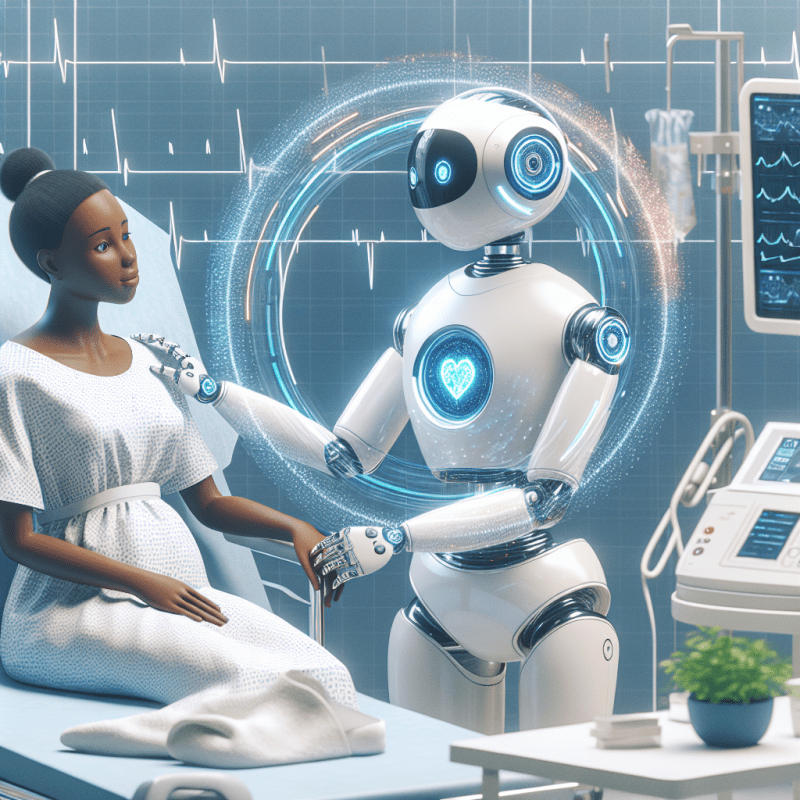
In industries like healthcare, AI plays a massive role in diagnosing diseases and suggesting treatment plans. Imagine a world where doctors can rely on AI to analyze tons of medical data, leading to quicker and more accurate decisions. It's a game-changer, helping to save lives and improve patient care.
AI isn't just a tool for businesses; it's reshaping our everyday experiences too. From personalized shopping experiences to smart home devices that learn our habits, AI adapts to our preferences and makes our lives smoother. Think about how Netflix recommends shows based on what you’ve watched. That’s AI at work, ensuring you never run out of things to binge-watch!
Even in education, AI introduces new ways of learning. Adaptive learning platforms analyze student performance and tailor lessons to fit individual needs. This means students can learn at their own pace, making education more accessible and effective for everyone.
Future Trends in Artificial Intelligence
Artificial Intelligence is moving faster than ever, and it's exciting to see where it's headed. One major trend is the rise of AI in everyday gadgets. Think about your smart home devices—they're getting smarter. From refrigerators that can suggest recipes based on what's inside to thermostats that learn your habits, AI is making our lives more convenient.
Another exciting area is AI in healthcare. Imagine doctors using AI algorithms to diagnose diseases quicker and more accurately. We're talking about everything from personalized treatment plans to robots assisting in surgery. The potential to save lives and improve patient care is huge.
AI is also stepping up in creativity. People are using AI to help write music, create art, and even draft stories. If you’ve ever wanted to brainstorm some ideas or get help tweaking a project, there’s an AI tool for that. This trend is breaking down barriers for artists and writers, making creativity even more accessible.
Don't forget about AI's role in improving customer service. Chatbots and virtual assistants are becoming more capable and friendly. They’re ready to help you with your queries, 24/7. This means getting faster responses and better support, whether you’re shopping online or troubleshooting an issue.